Sinharaja Rainforest: Sri Lanka's Living UNESCO Heritage
Sinharaja is Sri Lanka's last viable area of primary tropical rainforest and one of the most important biodiversity hotspots in Asia, recognized as both a Biosphere Reserve and UNESCO World Heritage Site.
The Sinharaja Rainforest is widely recognised as Sri Lanka's last viable area of primary tropical rainforest and one of the most important biodiversity hotspots in Asia. It has been declared both a Biosphere Reserve and a UNESCO World Heritage Site due to its exceptional endemism and ecological value.
Exceptional Endemism
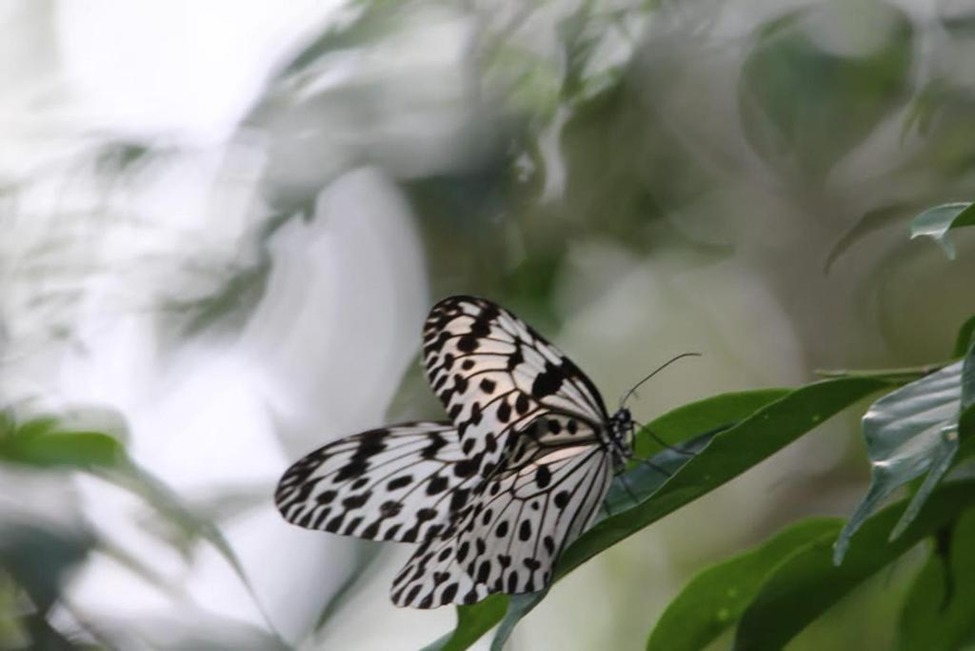
More than 60% of the trees in Sinharaja are endemic, and many of them are considered rare or threatened. The forest also shelters over half of Sri Lanka's endemic species of mammals and butterflies, as well as a remarkable variety of amphibians, reptiles and insects. The dense canopy creates a multi-layered habitat where life thrives from the forest floor to the highest branches.
Wildlife Treasure
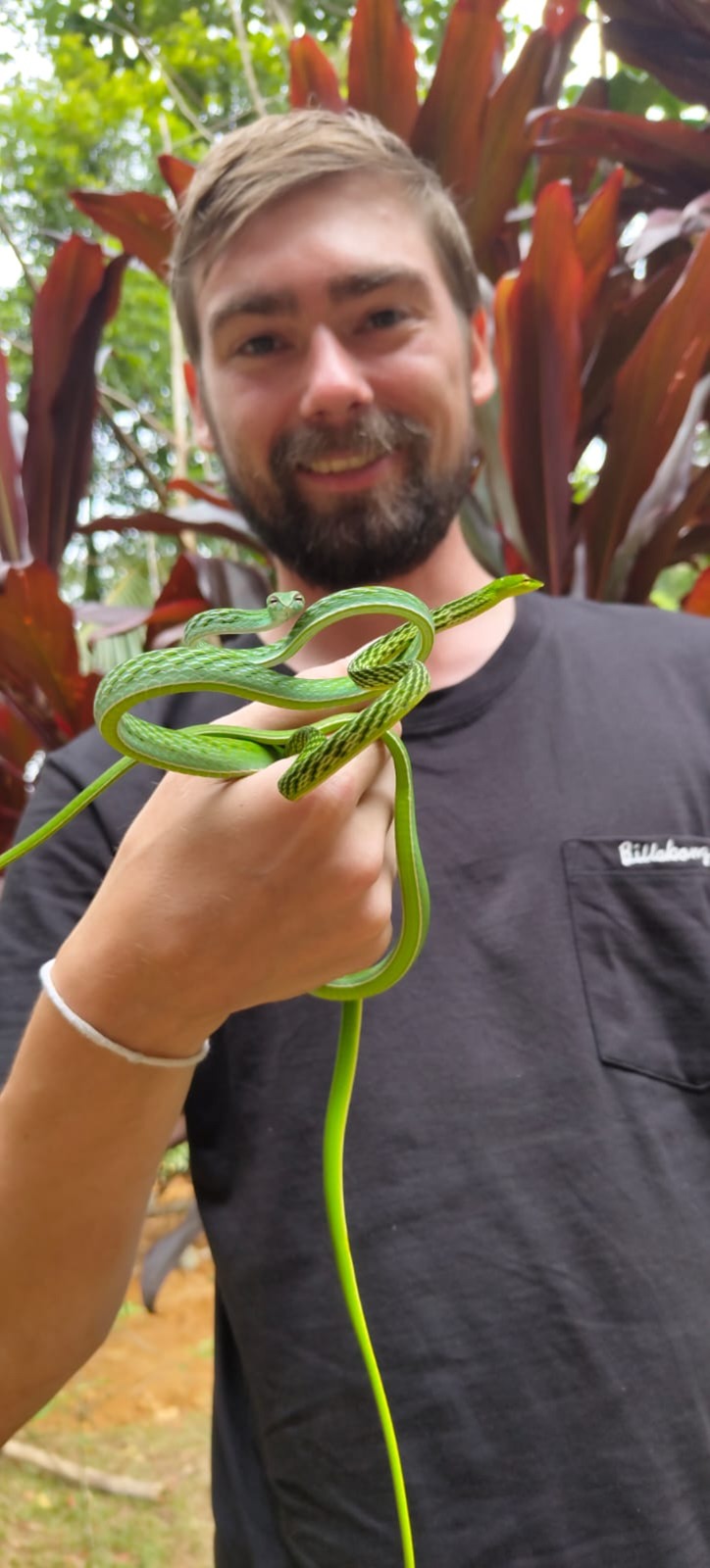
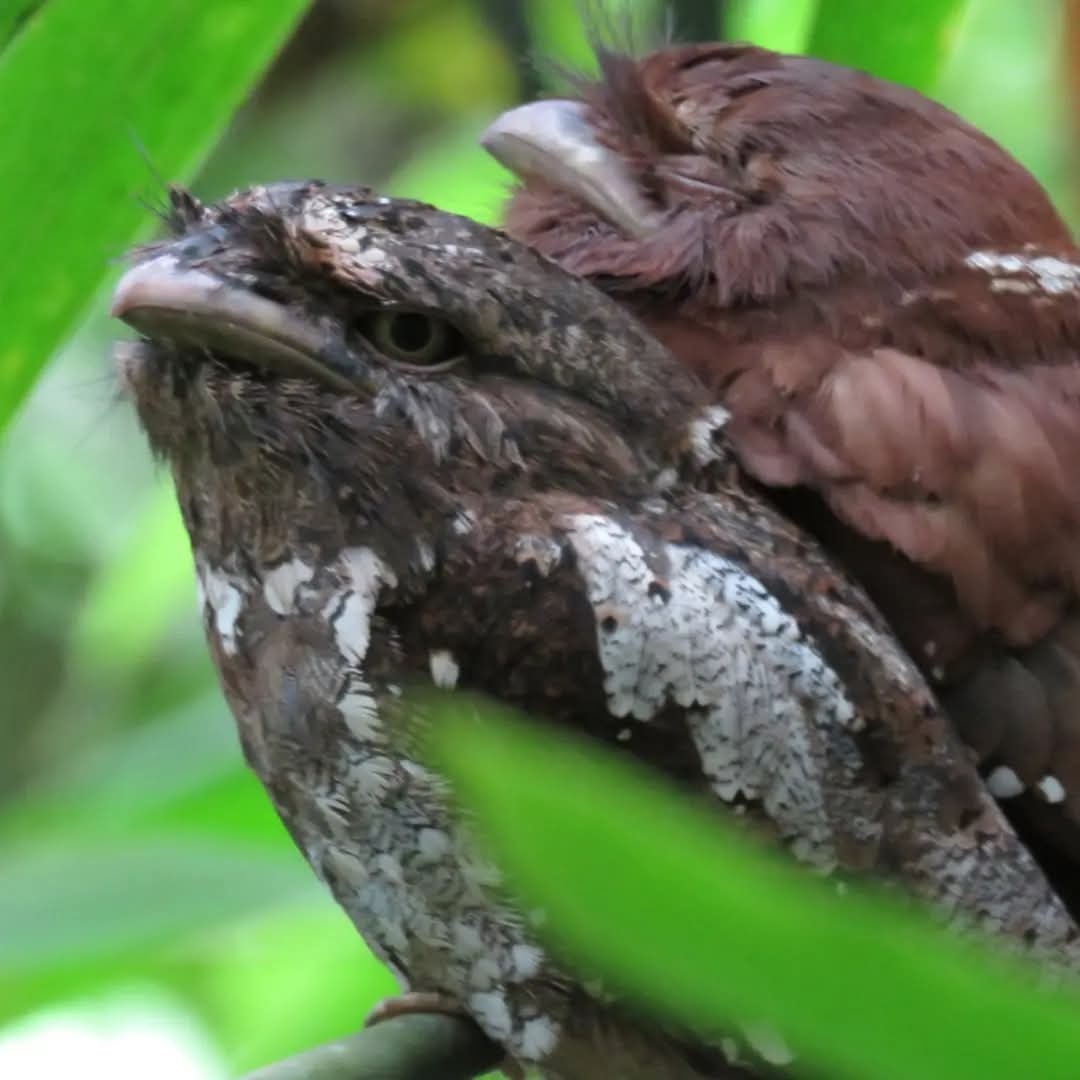
For wildlife enthusiasts, Sinharaja offers a treasure of mostly endemic species. Birdwatchers can look for Sri Lanka blue magpie, red-faced malkoha, Sri Lanka drongo, green-billed coucal, and mixed feeding flocks led by orange-billed babblers—many of these species occur almost exclusively within this rainforest. Among mammals, the purple-faced leaf monkey is a regular sight, while rarer residents include golden palm civets and endemic shrews. Reptiles such as the green pit viper and hump-nosed viper, and numerous tree frogs, highlight the forest's herpetological wealth.
Ecosystem Services & Conservation
Sinharaja's importance goes beyond wildlife alone. The forest plays a key role in regulating river systems, feeding basins like the Kalu Ganga and parts of the Gin Ganga, and helps prevent soil erosion and flooding downriver. It also supports nearby communities through non-timber forest products and ecosystem services, making conservation not just an environmental duty but a social necessity. Learn more about Sri Lanka's conservation efforts.
Visiting Sinharaja is less about spotting large animals and more about entering a living green cathedral—listening to birds, observing small details, and recognising that you are walking inside a globally significant natural heritage. Experience it with guided tours from Sinharaja Eliphinity.